 WhatsApp
WhatsApp
WhatsApp
The trade itself hasn’t changed. A concrete slab still needs to be poured. Pipes still need to be fitted. Roofing still needs hands, tools, and years of skill. None of that is going away.
What is changing — faster than most contractors realise — is the business of the trade.
For most medium-sized built environment businesses, the business is the owner. He quotes the work. He manages the suppliers. He chases the payments. He assembles the compliance documents at deadline. He answers the phone when the subcontractor walks off site.
Every hour spent on that administration is an hour not spent winning the next job, managing the current one, or building the relationships that keep work coming in.
That’s not a new problem. But for the first time, there’s a serious answer to it.
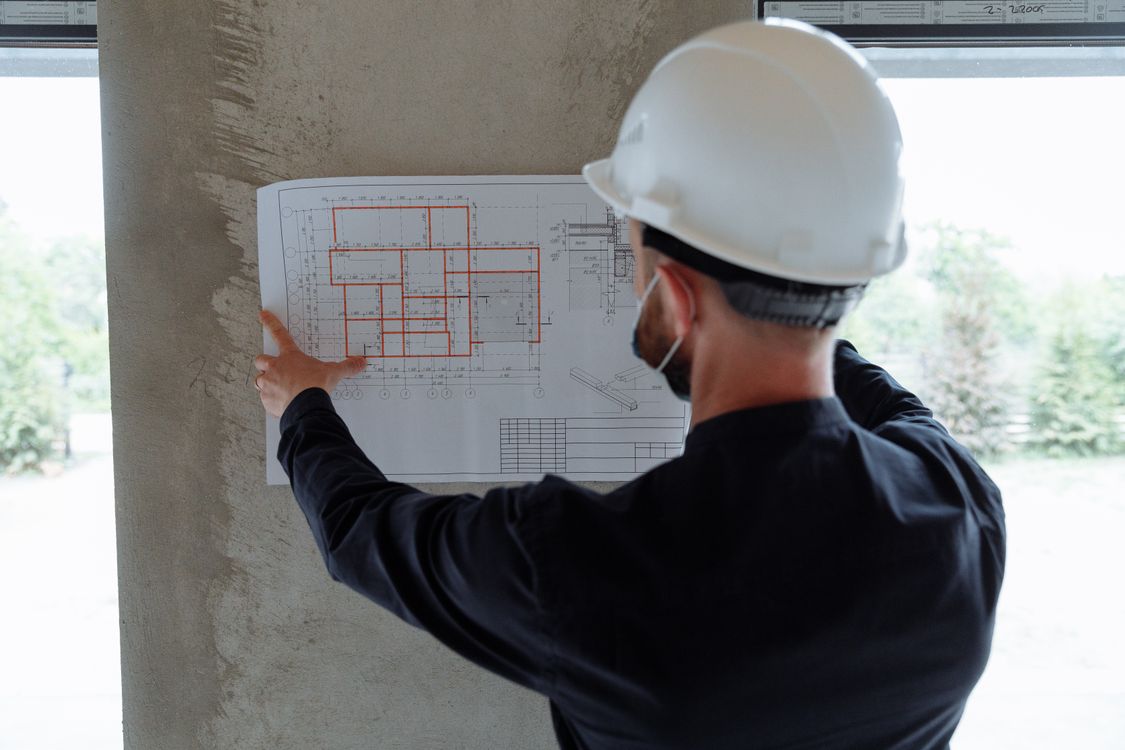
Across the construction industry, intelligent systems are beginning to handle the administrative layer of running a business — the parts that aren’t the trade itself but consume most of the owner’s time.
Tender documents are being analysed automatically. Compliance packs are assembled from documents already on file. Supplier quotes are compared in seconds. Site progress is tracked without daily phone calls. Payment reminders go out without anyone pressing send. Variation orders are flagged before they become disputes.
The systems doing this are not new in concept. Large contractors have had versions of them for years — built in-house, staffed by teams. What’s new is the cost. What required a dedicated IT department five years ago now runs on a monthly subscription. The barrier that used to protect large firms from competing with medium-sized businesses on operational efficiency is gone.
Large construction companies have procurement departments, compliance officers, financial controllers. When intelligent systems arrive in their market, they adopt them and get faster. They quote more accurately. They submit cleaner. They win more.
Medium-sized businesses don’t have those departments. The owner is the procurement department. The owner is the compliance officer. The owner is the financial controller.
When the large firms get faster and more accurate, the gap widens — not because the medium-sized business’s trade has gotten worse, but because the business running that trade hasn’t kept up.
The contractor who used to lose on price because the big firm had a better estimator will now lose because that firm’s estimating takes twenty minutes and his takes three days. The one who used to miss a tender because the compliance pack wasn’t ready in time will miss more, because the firms competing against him have systems that assemble those packs automatically.
The trade is equal. The business running the trade is not.
The built environment in Limpopo is government-heavy. Work comes through tenders, through government procurement, through compliance-intensive processes. The contractor who gets to a tender first, submits a complete pack, and has a clean paper trail gets the work. The one still assembling documents the night before loses it.
In that environment, the businesses that run on intelligent systems will have a structural advantage — not because their bricklaying is better, but because their back office is faster, cleaner, and less dependent on the owner being available at every step.
The compliance burden in this market is real. CIDB, NHBRC, PIRB, OHS files, insurance certificates, tax clearance — each one a document that needs to be current, filed, and ready on demand. The business that tracks all of that automatically is not smarter than the one doing it manually. It just has more time to focus on the work.
Most medium-sized built environment businesses in Limpopo have not made this shift. The market is not yet divided between businesses that run on intelligent systems and those that don’t.
It will be.
The contractors thinking about this now will be setting the new standard in three years. The ones who wait will be competing against businesses that operate at a different level — carrying the same trade skills but none of the operational weight.
This isn’t about technology for its own sake. It’s about whether the business running your trade is as capable as the trade itself. Most built environment owners have spent twenty years developing their craft. Very few have spent equivalent energy on the business behind it.
That gap is closing — on both sides. The businesses that close it intentionally will grow. The ones that don’t will find the market doing it for them, at their expense.
A free 20-minute session. We look at Sales, Operations, and Growth — and tell you honestly what the gaps are costing you.